
Call us: +36 20 322 0921
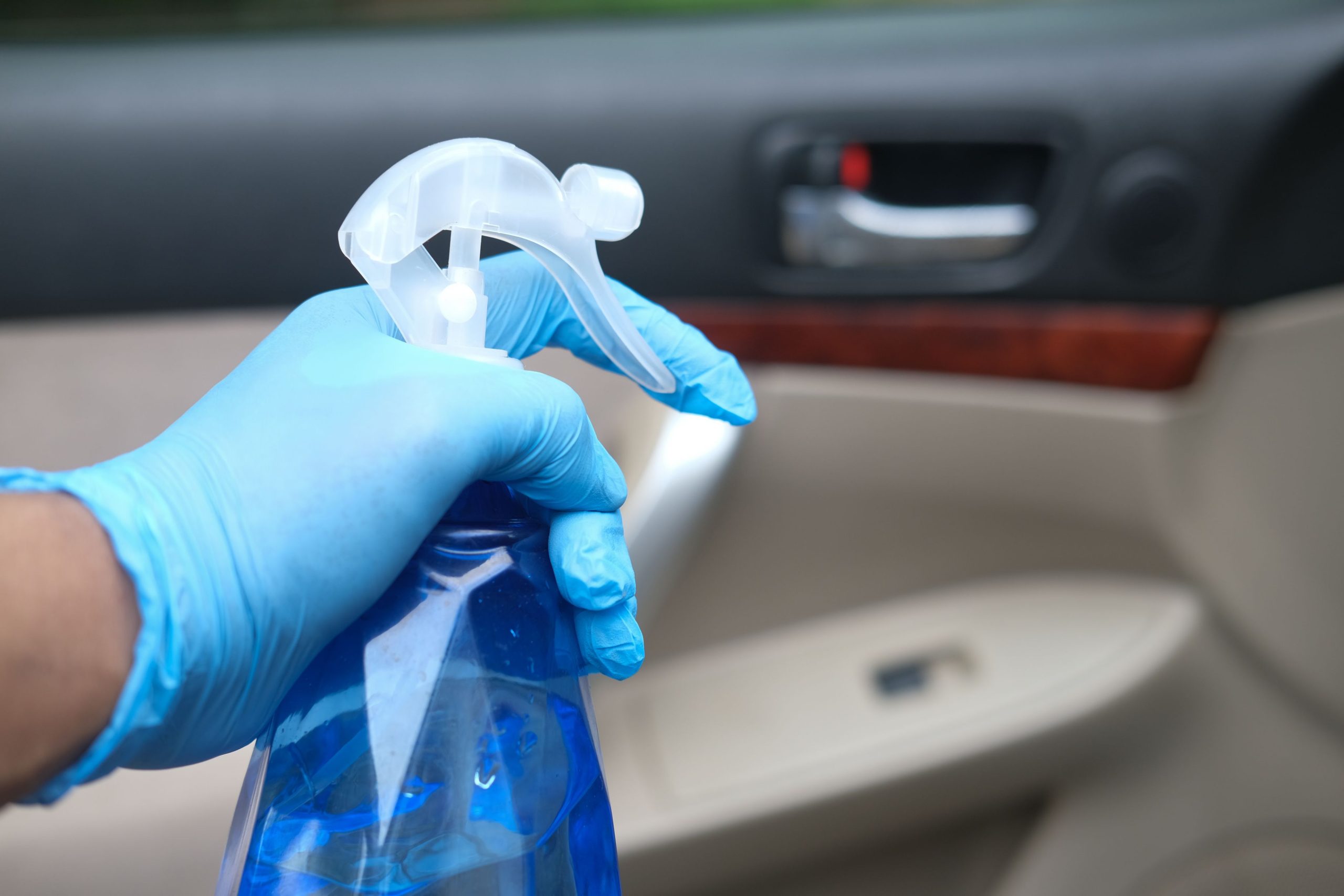
A car's cabin contains a few cubic meters of air, which we often breathe in for hours with closed windows. If this air is musty or stale, it's hard not to notice. Ozone cleaning offers a solution to this problem — but many don't know exactly what happens during the process. In this article, we explain.
What is ozone?
Ozone is a triatomic form of oxygen (O₃). It is a strong oxidizing agent: it chemically reacts with organic molecules responsible for odors, as well as bacteria and fungi, breaking them down. After the process, ozone naturally converts back into ordinary oxygen — leaving no chemical residue behind on the upholstery or dashboard.
How is it different from an air freshener?
This is the essential difference. An air freshener or odor-neutralizing spray adds a stronger scent alongside the existing odor, covering it up temporarily. Ozone does not cover up; it breaks down: it eliminates the odor-causing molecule itself. Once the effect passes, the original smell does not "come back" — provided its physical source has also been removed.
How does the process work?
Cleaning is performed using an ozone generator. The device is placed inside the closed vehicle cabin, and the vehicle's ventilation is set to recirculation — ensuring the ozone not only disperses in the air but also reaches the air conditioning ducts and the evaporator, where odors typically originate.
The treatment takes place in a closed, empty vehicle: humans and pets cannot remain inside while the generator is operating. Following treatment, the vehicle must be thoroughly ventilated before it can be used again. By that time, the ozone will have converted back into oxygen.
What is it good for, and what is it not?
The procedure is effective against odor sources and microorganisms settled in the air and on surfaces: it is typically the solution for musty, stale cabins, tobacco smoke, or unpleasant smells coming from the air conditioning system. It is also a logical step after buying a used car, long periods of inactivity, or water damage.
What it does not replace, however, is physical cleaning. If there is forgotten food, a moldy carpet, or standing water in the cabin, that must be removed first — ozone breaks down the odor, but it does not remove the physical source of the smell from the car. The two work best together.
What vehicles can it be applied to?
Practically any vehicle with an enclosed cabin: passenger cars, motorhomes, vans, buses, and other commercial vehicles alike. The treatment differs only in that larger interior spaces naturally require more time.
Need ozone car air conditioner cleaning? Feel free to reach out to the Air System team — serving Budapest and the surrounding agglomeration.
Hi, this is a comment.
To get started with moderating, editing, and deleting comments, please visit the Comments screen in the dashboard.
Commenter avatars come from Gravatar.