
Call us: +36 20 322 0921
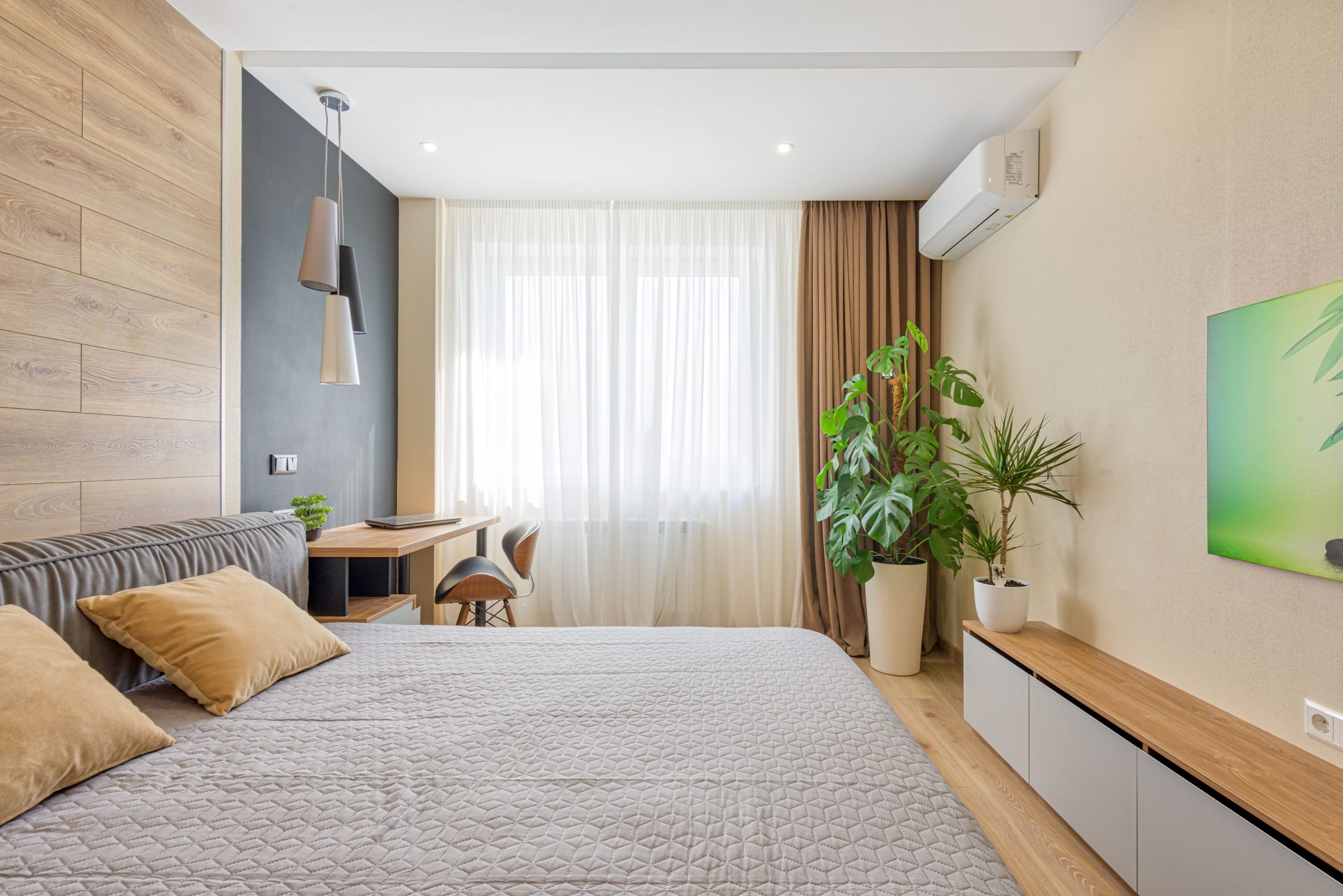
People living with allergies or asthma often think a lot about outdoor air quality: when ragweed season starts, or what the pollen count is. We pay much less attention to indoor air, however — even though we spend most of our time indoors. In this article, we examine how air conditioning is connected to this.
An air conditioner is not an air purifier
A common misconception is that an air conditioner "purifies" the air. The filter in the indoor unit primarily serves to protect the equipment itself: it catches coarser dust so it doesn't settle on the heat exchanger. It does not reliably trap fine airborne particles or pollen — that requires an air purifier equipped with a HEPA filter.
This in itself is not a problem. The trouble starts when a neglected air conditioner stops being neutral and becomes a source of the problem itself.
Why can an air conditioner become a source of allergens?
During cooling, moisture condenses on the surface of the heat exchanger. This persistently wet surface, combined with accumulated organic dust, creates an environment where mold fungi and bacteria can thrive. Mold spores and dust mite droppings are well-known, common indoor allergens.
The key is what happens next: the indoor unit does not keep these deposits to itself. It actively blows air into the room using a fan — spreading whatever has accumulated inside it. Thus, a neglected air conditioner isn't a passive dust collector, but an active distributor.
What should you watch out for?
The revealing pattern is when symptoms are tied to the air-conditioned space: nasal congestion, sneezing, itchy eyes, or a dry cough occur at home or in the office, but not elsewhere — and typically when the air conditioner is running. The musty odor upon turning it on is another sign of the same issue. Odor is the byproduct of a microbiological process: if you smell it, something is producing it.
Important: Allergy symptoms can have many causes, and diagnosis is a medical matter. What can be done on the air conditioner side is to eliminate the appliance as a contributing factor.
How does cleaning help?
Professional cleaning reaches the surfaces where buildup actually resides: the heat exchanger fins, the blower wheel, and the condensate drain pan. After removing the dirt, disinfection destroys the settled microorganisms. The appliance then stops blowing out what had previously accumulated inside.
A realistic expectation: Cleaning does not cure allergies, nor does it protect against pollen entering from outside. It solves what the air conditioner is responsible for — ensuring the appliance doesn't add to the indoor allergen burden.
What else is worth doing?
Air conditioner cleaning is just one piece of the indoor air quality puzzle. In addition, regularly washing the filters, airing out rooms during times with lower pollen counts, damp dusting regularly, and cleaning radiators before the heating season all work well together — as the rising airflow from a heated radiator also picks up and disperses settled dust.
Want to ensure your air conditioner doesn't degrade your indoor air quality? Feel free to reach out to the Air System team — serving Budapest and the surrounding agglomeration.